
When you're finished enjoying summer swims and backyard lounging, it's time to prepare your pool for its off-season. A proper pool closing isn't just routine; it's essential. Without it, your pool could suffer costly damage from harsh Minnesota winters. Whether you're the DIY type or prefer to leave it to the pros, this guide will walk you through each important step.
And if it sounds a bit too much? No worries— Royal Pool & Spa has been winterizing Twin Cities pools since 1988. We're always here to help protect your investment.
Why Proper Pool Closing Matters
Closing your pool isn’t just about putting on a cover. Done correctly, it helps:
- Protect plumbing, pumps, and filters from freezing
- Keep water cleaner and easier to manage in the spring
- Extend the life of your pool and equipment
- Avoid costly repairs caused by ice expansion
Waiting too long or skipping steps can quickly turn into a problem once temperatures drop.
Step-by-Step Guide to Closing Your Pool for Winter
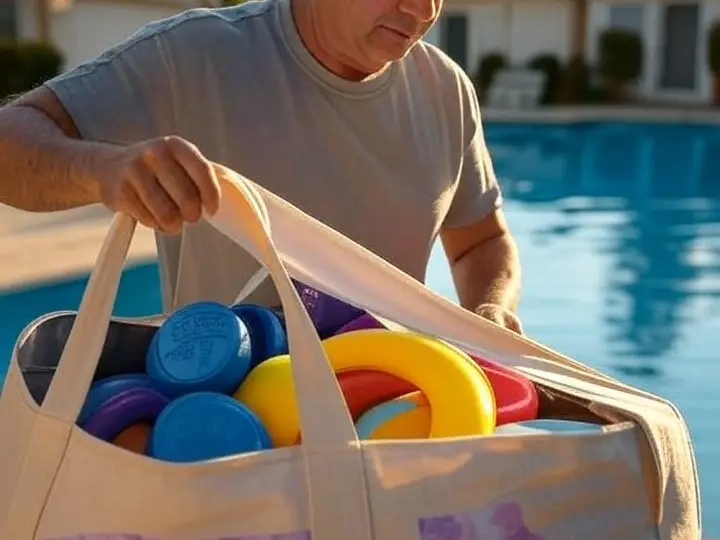
1. Clear Out and Store Pool Accessories
Begin by removing all items that don't belong in the pool for winter. These include:
- Ladders, rails, and diving boards
- Skimmer baskets and return fittings
- Safety ropes or floats
Once removed, rinse and store them in a dry place where they won't crack or rust.
2. Give the Pool a Deep Clean
Before covering your pool, it's critical to clean it thoroughly:
- Skim leaves and debris from the surface
- Brush down the walls and steps
- Vacuum the floor to remove settled dirt
Then, test the water's chemistry. Your levels should be:
- pH: 7.4 – 7.6
- Alkalinity: 100 – 150 ppm
- Chlorine: 1 – 3 ppm
Use test strips or bring a water sample to your pool service company. Adjust your chemicals as needed for proper balance.
3. Lower the Water Level (If Needed)
Depending on your pool cover style, you may need to drain water below the skimmer. This helps prevent freeze damage.
- Using a skimmer plug? No need to drain.
- No plug? Lower the water just below the skimmer mouth.
Not sure what your setup calls for? Consult a pool professional for guidance.
4. Add Winterizing Chemicals & Shock the Water
Once your water is balanced and clean:
- Add algaecide, stain prevention, and other winterizing chemicals
- Let the pump run a full cycle to distribute them evenly
- Shock the pool the night before closing to kill lingering bacteria
This will help keep the water clean and clear through the winter months.
5. Clean the Filter and Equipment
Don't forget your equipment! Be sure to:
- Rinse and store the pool filter indoors
- Drain and remove plugs from the pump, filter, heater, and chlorinator
- Store hoses, pumps, and small parts in a safe, dry spot
You can even place plugs in your pump basket, so they're easy to find next spring.
6. Blow Out the Lines and Plug Them Up
One of the most crucial steps is removing water from the plumbing lines to prevent freezing:
- Blow air through the plumbing lines to remove all water
- Install expansion plugs in skimmers, returns, and cleaner lines
- Add antifreeze where recommended for extra protection
If you've never done this before, we highly recommend calling a professional. Improper technique can result in cracked lines and expensive repairs.
7. Cover the Pool Securely
Time to tuck your pool in for hibernation:
- If using a pool pillow, inflate it and position it in the center
- Secure the cover using clips or water bags
- Consider adding a cover pump to remove excess rain or snow
Make sure everything is tight and properly sealed to keep debris and critters out.
Discover the Best Pool Covers for Winter
When Should You Close Your Pool in Minnesota?
Most pools should be closed once water temperatures consistently drop below 65°F, and always before nighttime freezes begin. While heaters can extend the season slightly, colder nights and falling leaves often signal it’s time.
A helpful rule of thumb: many homeowners plan around National Pool Closing Day, which falls on the third Saturday of September each year.
Want to Enjoy Pool Season a Little Longer?
If you’re not ready to say goodbye just yet, a few smart choices can help extend your swim time:
- Pool heaters to maintain safe water temperatures
- Automatic covers to retain heat and block debris
- Consistent maintenance to keep systems running smoothly
Once temperatures dip overnight, however, it’s time to winterize to avoid damage.
Ready to Schedule Your Pool Closing?
Not everyone wants to tackle this on their own, and that's perfectly okay. At Royal Pool & Spa, we've been helping homeowners close their pools the right way for over 30 years. From expert winterization to spring re-openings, our technicians make sure your pool stays protected all year round.
📞 Call us today at 651-779-7606
Don't leave your pool unprotected; let us help you winterize it with care.